
Green Coffee Beans (Unroasted Coffee Beans for Sale)
Shop premium green coffee beans sourced from the world's top coffee-growing regions — Colombia, Ethiopia, Brazil, and beyond. These unroasted coffee beans are hand-selected for quality and freshness, giving home roasters full control over flavor, roast level, and aroma. Whether you're just starting out or a seasoned roaster, we have the perfect lot for you.
Browse By Origin


Shop All Green Coffee Beans
18 products



What Are Green Coffee Beans?
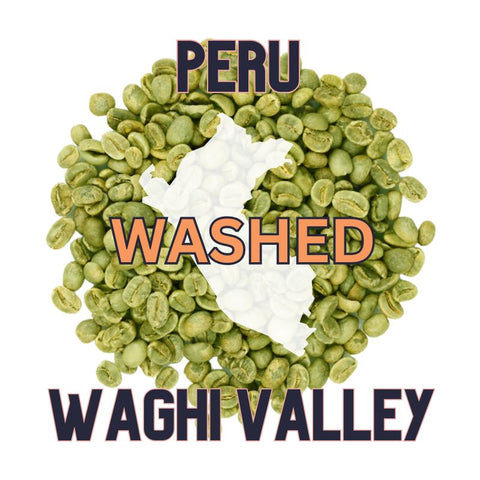
Green coffee beans are the raw, unroasted seeds of the coffee plant (Coffea arabica or Coffea canephora). Before any heat is applied, the beans retain their natural, unaltered state — pale green in color, dense in texture, and full of latent flavor potential waiting to be unlocked through roasting.
Unlike roasted coffee, unroasted coffee beans have a much longer shelf life — often 12 months or more when stored properly — making them the preferred choice for home roasters who want consistently fresh coffee without compromise.
Every bag of green coffee beans you see on this page represents a specific origin, farm, or processing method. That traceability is what separates specialty-grade unroasted coffee beans from commodity coffee — and it's why what you roast matters just as much as how you roast it.
Why Buy Green Coffee Beans?
There are a few reasons home roasters choose to buy green coffee beans instead of pre-roasted coffee — and once you understand them, it's hard to go back.
Freshness you can't buy off a shelf. Roasted coffee begins staling within weeks. When you roast green coffee beans yourself, you control exactly when that clock starts — meaning every brew is as fresh as it gets.
Total control over flavor. Roast light and you'll taste the origin — the fruit, the brightness, the terroir. Roast dark and you develop body, bitterness, and that classic bold flavor. With unroasted coffee beans, the roast profile is yours to decide.
Better value. Green coffee beans cost significantly less per pound than specialty roasted coffee. Over time, home roasting pays for itself — especially if you're drinking multiple cups a day.
A deeper connection to your coffee. Buying unroasted coffee beans directly from importers means you can trace your coffee back to the farm, the region, the harvest. That's not just interesting — it makes the cup taste better.
What Do Green Coffee Beans Taste Like?
In their raw state, green coffee beans taste grassy, vegetal, and slightly astringent — nothing like what ends up in your cup. That's because the flavor compounds that define coffee — the caramels, the chocolates, the fruits, the nuts — are created through the Maillard reaction during roasting.
Think of unroasted coffee beans the way you'd think of raw cacao nibs. The potential is all there; it just needs heat to transform.
After roasting, the flavor depends on two things: the origin of the bean and your roast level. A Colombian green coffee bean roasted light will be sweet and citrusy. The same bean taken to a dark roast becomes rich and chocolatey. That's the magic of starting with quality green coffee beans — the expression is entirely up to you.
How to Roast Green Coffee Beans at Home
Roasting your own green coffee beans is more accessible than most people think. You don't need expensive equipment to get started — many home roasters begin with a simple popcorn popper or a cast iron skillet before graduating to a dedicated home roaster.
Here's a quick overview of the process:
-
1
Measure your green coffee beans
Start with a small batch (50–100g) while learning.
-
2
Apply heat
Your target is 370°F–480°F depending on your desired roast level.
-
3
Listen for the cracks
"First crack" signals a light roast; "second crack" signals a dark roast.
-
4
Cool immediately
Spread beans on a tray and cool rapidly to stop the roast.
-
5
Rest 12–24 hours
Freshly roasted coffee needs to degas before it's at its best.
Shop Green Coffee Beans by Origin
Every coffee-growing region produces unroasted coffee beans with a distinct character. Here's where to start:
How to Choose the Best Green Coffee Beans
Not sure where to start? Here's a simple framework:
If you're new to home roasting: Start with a Colombian or Brazilian green coffee bean. Both origins are forgiving across roast levels, with flavor profiles that are familiar and easy to dial in.
If you want something complex: Go Ethiopian or Rwandan. These unroasted coffee beans reward lighter roasts with extraordinary complexity — but they're less forgiving if you push them too dark.
If you're roasting for espresso: Look for Brazilian or Guatemalan green coffee beans. Their lower acidity and full body hold up well under pressure and pair beautifully with milk.
If freshness is the priority: Any of our lots will outperform store-bought roasted coffee — but look for beans from the most recent harvest year for maximum potential.
When in doubt, order a sample size first. Every palate is different, and part of the joy of buying green coffee beans is the discovery.
Frequently asked question
What are green coffee beans good for?
Green coffee beans are primarily used for home roasting — allowing you to roast fresh coffee on demand in exactly the style you prefer. They're also used in some wellness and supplement contexts, though our focus here is specialty coffee for roasting and brewing.
Are green coffee beans better than roasted coffee?
That depends on what you value. Green coffee beans offer longer shelf life, lower cost, and complete control over roast profile. Roasted coffee is ready to brew immediately. For home roasters, unroasted coffee beans are almost always the better choice — fresher, more customizable, and more economical.
Do green coffee beans contain caffeine?
Yes. Green coffee beans contain caffeine in their raw state, typically in amounts comparable to roasted coffee. Roasting doesn't significantly change caffeine levels — though darker roasts are slightly lower in caffeine by volume.
How do you store green coffee beans?
Store your unroasted coffee beans in a cool, dry place away from direct sunlight. A sealed bag or airtight container works well. Properly stored green coffee beans can stay fresh for 12–18 months — sometimes longer for vacuum-sealed lots.
How long do green coffee beans last?
Most green coffee beans remain roastable for 12 months or more after the harvest date. This is one of the biggest advantages over buying roasted coffee, which begins staling within weeks of roasting.
How do I roast green coffee beans at home?
You can roast green coffee beans using a popcorn popper, a dedicated home roaster, a cast iron pan, or even an oven. The key is applying consistent heat and cooling the beans quickly once your target roast level is reached. → See our full Home Roasting Guide.